Flying Balloon: A Bold Display Font for Modern Web Design
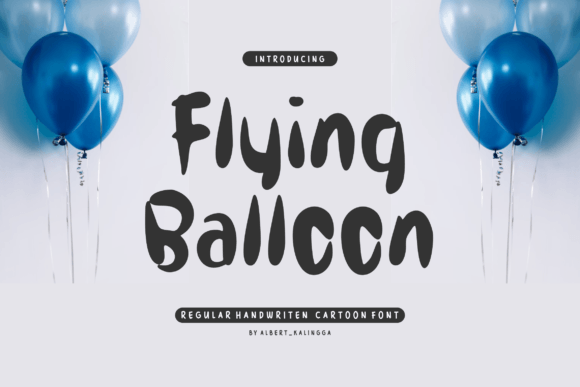
Flying Balloon is a modern display font that brings a strong visual presence to digital projects. As a web designer, I look for typefaces that can command attention without sacrificing clarity, and Flying Balloon delivers that balance. Its bold, expressive letterforms carry a sense of confidence and authenticity, making it ideal for branding-focused web experiences.
Visual Style and Digital Personality
The Flying Balloon font has a distinctive script aesthetic with a contemporary edge. It's categorized under Script Amp, which means it blends the elegance of script fonts with a modern, slightly edgy tone. The font works especially well in digital environments where a human touch or artistic flair is needed. Whether used for a logo, a hero headline, or a call-to-action button, Flying Balloon adds a layer of personality that helps a brand stand out.
Applications in Web Design
When designing websites or digital products, I often use Flying Balloon in high-impact areas such as hero sections, landing page headers, and branding assets. Its strong visual presence makes it a great choice for titles and short phrases that need to capture attention quickly. For example, on a creative portfolio site, Flying Balloon could be used in the main navigation or project titles to create a unique visual rhythm.
It also works well in online stores, especially for boutique brands that want to communicate a sense of individuality. From product banners to promotional graphics, Flying Balloon enhances the visual storytelling without overwhelming the layout. In blog headers or social media graphics, the font adds a stylish yet readable touch that supports content discoverability.
Readability and Visual Hierarchy
One of the key concerns when using a decorative font like Flying Balloon is readability. While it’s not ideal for long blocks of text, it excels in short, high-visibility placements. For digital layouts, I recommend using Flying Balloon at larger sizes—such as in section headers or feature titles—where its details can shine without compromising legibility.
On mobile screens, where space is limited, Flying Balloon should be used thoughtfully. It works best when paired with a clean sans serif font for supporting text. This creates a strong visual hierarchy and ensures the content remains scannable. For dark or light backgrounds, test the contrast carefully, especially when overlaying text on images. The font’s bold structure helps maintain visibility even in these scenarios.
Brand Identity and Tone
Flying Balloon conveys a tone that’s both creative and confident. It’s well-suited for brands in the lifestyle, creative services, or entertainment sectors. When designing a coaching website or course landing page, for instance, Flying Balloon can help establish a tone of approachability and inspiration. It’s also a solid choice for logo design where a modern script look is desired.
For SaaS founders or digital product creators, using Flying Balloon in marketing banners or feature highlights can help differentiate their brand from more generic typeface choices. It adds a memorable visual cue that supports brand recall, especially when used consistently across web assets.
Font Pairing for Web Layouts
To make the most of Flying Balloon in a digital layout, pairing it with a more neutral typeface is essential. A simple sans serif like Open Sans or Montserrat works well for body text, buttons, or navigation labels. This combination maintains readability while letting Flying Balloon serve as a visual anchor.
In editorial-style websites or branded content hubs, pairing Flying Balloon with a serif font like Merriweather or Playfair Display can create a more refined, magazine-like aesthetic. This approach works especially well for blog headers, feature articles, or curated landing pages where visual storytelling is key.
Technical Considerations for Web Use
Before integrating Flying Balloon into a live site or template, it’s important to check the available styles and file formats. Most premium fonts include multiple weights and alternate characters, which can be useful for customizing the design. Ensure that webfont versions are included and that the font supports common languages if you're designing for an international audience.
For client projects or online stores, always verify the licensing terms. Flying Balloon should be properly licensed for commercial use, especially when embedding it in landing pages, digital templates, or brand kits. This ensures compliance and avoids legal issues down the line.
Practical Examples in Digital Projects
I’ve used Flying Balloon in a number of web-focused scenarios with strong results. On a boutique e-commerce site, it served as the primary font for product banners and promotional tags, giving the brand a cohesive and stylish edge. For a personal branding package, Flying Balloon was used in logo variations and social media headers, reinforcing a modern, handcrafted aesthetic.
Another effective use case was on a course sales page, where Flying Balloon appeared in the main headline and module titles. Its boldness helped break up the layout and guide the reader through the content. In a portfolio showcase, the font was used for project titles and hover effects, adding a dynamic visual layer without disrupting usability.
Final Notes for Digital Designers
Flying Balloon is more than just a decorative font—it’s a strategic design asset that can elevate the visual language of any digital product. Whether you're building a landing page, rebranding a web presence, or crafting a digital ad, Flying Balloon offers a modern, expressive option that supports both aesthetics and function.